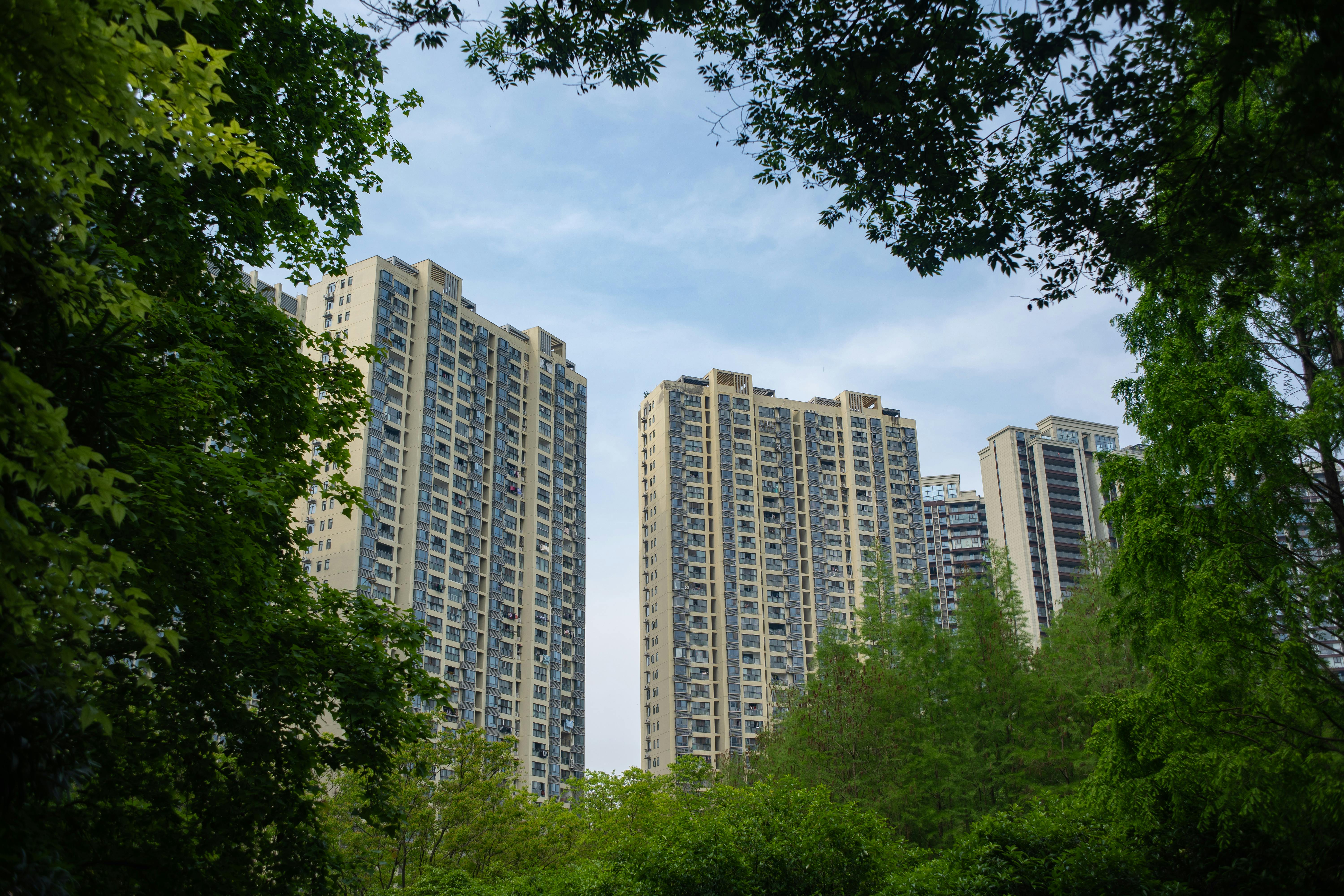
The RE2020 introduces a maximum threshold of 1,250 discomfort degree-hours (DH) for multi-family housing. This threshold will be gradually lowered: to 1,000 DH by 2025, and then to 750 DH by 2028.
The Taxonomy Regulation requires real estate companies to assess their contribution to climate change adaptation, particularly with regard to heat-related risks.
The calculation of DH values is based on dynamic thermal simulation (DTS). A project may meet the RE2020 thresholds in simulation, but its actual performance may be compromised if the surrounding neighborhood is a high-intensity urban area.
The taxonomy requires a qualitative and quantitative assessment of climate risks: determining whether the site is located in an area with a high climate vulnerability index (ICU), evaluating likely trends by 2030 and 2050, and proposing corrective measures.
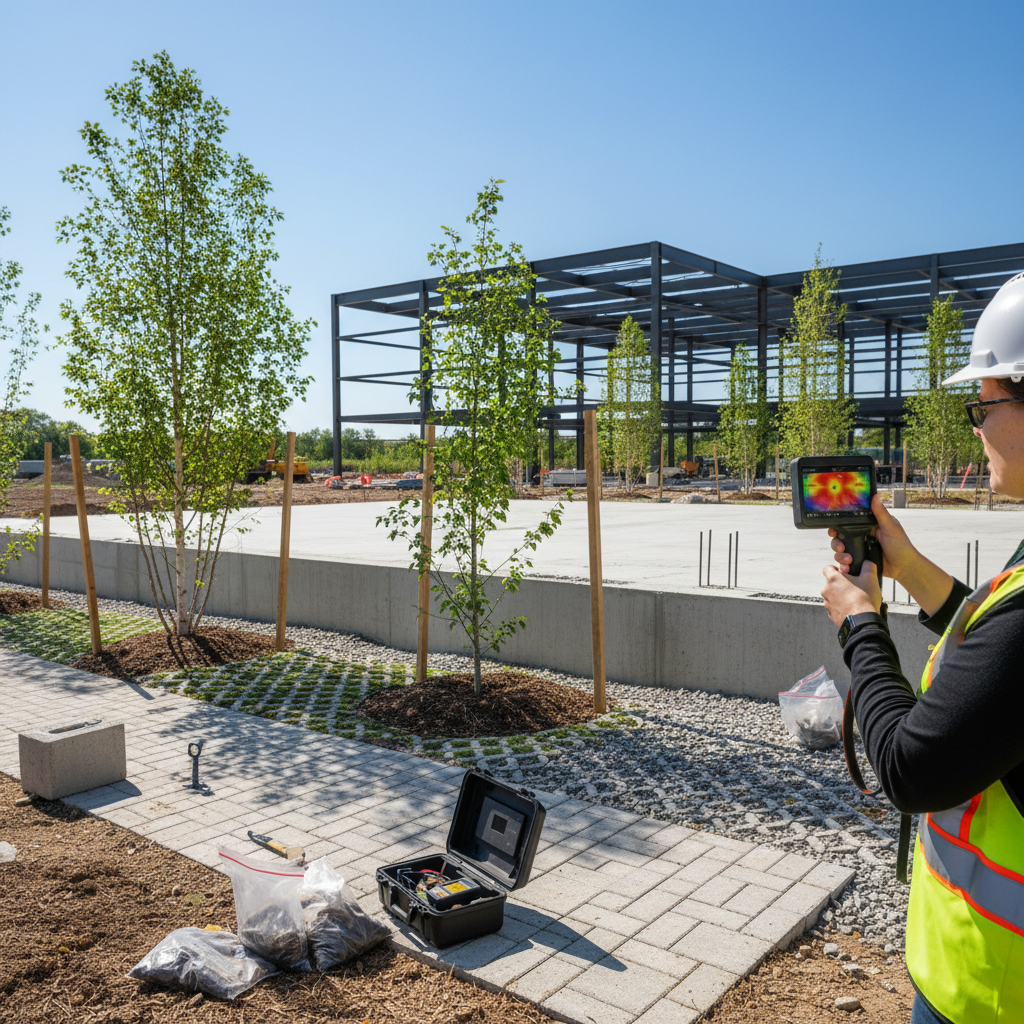
The best time to assess heat island effects is before purchasing the land. A thermal assessment can determine the current surface temperature, the degree of paving, adjacent heat sources, and the potential for reduction through greening.
A concrete example: In a housing and nature park project, the planting of over 691 trees and over 1,151 shrubs resulted in a projected reduction of 5.4°C in local temperatures over 25 years, with an increase of 52 metric tons of CO2 sequestered and an improvement in the CBS of 0.4.
Simulations make it possible to compare the impact of different plant combinations and select the most thermally efficient species.
Tree planting remains the most effective way to combat climate change. Canopy targets are beginning to appear in the specifications of major local governments.
Replacing asphalt with permeable pavers or stabilized grass surfaces reduces heat absorption and allows rainwater to infiltrate.
Green roofs reduce the surface temperature of the roof by 20°C to 40°C. They improve summer insulation and contribute to biodiversity.
More and more municipalities are incorporating quantifiable environmental criteria into their RABs. Having a Netcarbon simulation with quantifiable data provides a strong selling point against competitors who offer only qualitative commitments.
The "green value" of a project is no longer limited to its energy performance rating. It now includes the thermal environment, the presence of vegetation, and summer comfort.
The Low Carbon Label (Ville Arborée method) makes it possible to monetize carbon sequestration resulting from urban tree planting. For a project involving 691 trees, the revenue from carbon credits over 25 years can reach tens of thousands of euros.
Are you planning a real estate project and want to include an energy performance analysis in your technical report? Netcarbon can provide you with a thermal assessment and impact simulation in just a few days. Contact us.

.png)