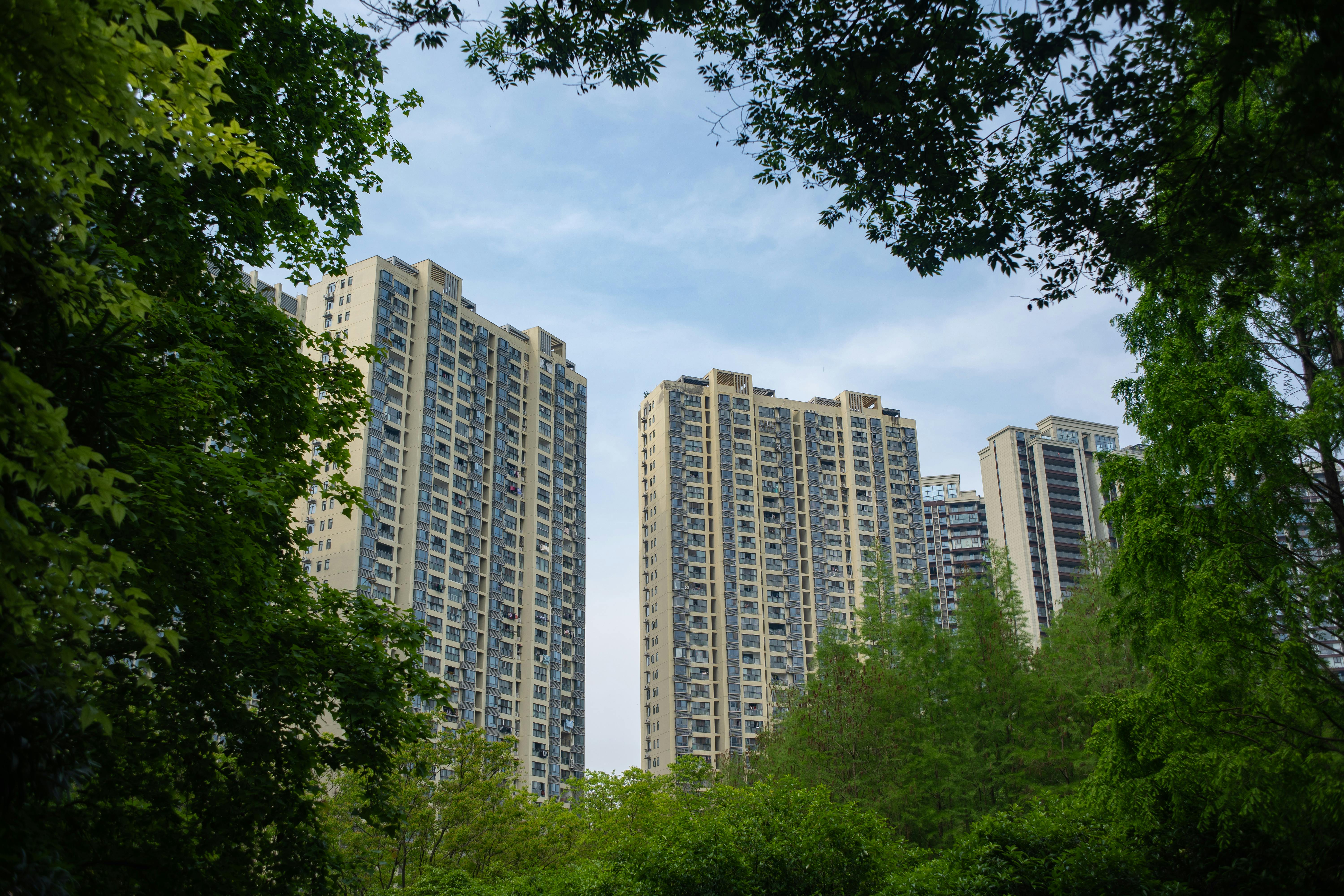
Airport, highway, and logistics zone operators manage some of the largest paved areas in France. A regional airport covers 200 to 500 hectares, a significant portion of which consists of parking lots, roadways, and service areas—expanses of asphalt that overheat, cause runoff, and sequester no CO2.
This reality is undergoing a transformation: from a functional legacy that was simply accepted, it is becoming an explicit CSR issue and an opportunity to demonstrate the organization’s environmental commitment.
Parking lots often account for 20 to 40 percent of an airport’s total area. On a 300-hectare site, this represents 60 to 120 hectares of land that could potentially be converted to permeable surfaces—without compromising parking capacity.
For parking lots with low heavy traffic loads, permeable pavements (stabilized gravel, porous asphalt, and grass pavers) maintain functionality while allowing water to infiltrate. The thermal impact is significant: a permeable pavement with low-growing vegetation can reduce the surface temperature by 3 to 8°C.
Incorporating planted islands into parking lots combines soil permeabilization with heat reduction. A mature tree with a full canopy can cool up to 50 square meters of surface area in the summer through evapotranspiration.
The combination of solar shade structures and ground-level vegetation helps reduce soil sealing while generating energy. This offers a twofold economic benefit: electricity generation and carbon credits generated by the vegetation.
Nantes Atlantique Airport: Netcarbon simulated a project to restore a 29-hectare parking lot with solar canopies. Results over 25 years: -6.3°C, +784.8 tCO2, +4.4 ha of unsealed land.
Lyon Airport: simulation of a greening project with 100 trees → -1.76°C, +17 tCO2, CBSh +0.2. A more modest initiative, but one whose impact is documented and can be highlighted in the CSR report.
Unsealed and re-vegetated areas can generate carbon credits through the Low Carbon Label. For an operator managing dozens of hectares of parking lots suitable for vegetation, the carbon sequestration potential can amount to several thousand tons of CO2—representing tens to hundreds of thousands of euros in marketable credits.
It is a financial argument that transforms de-impermeabilization from a cost into an investment with a calculable return.
Infrastructure corridors are often viewed as immutable constraints. In reality, they represent a significant opportunity for restoration that can be harnessed without disrupting core operations. Removing impervious surfaces from parking lots and peripheral areas is one of the most cost-effective measures for operators seeking to demonstrate their commitment to biodiversity and climate action.
Do you manage a large property and want to assess your potential for de-impermeabilization? Get a customized impact simulation by contacting the Netcarbon team.

.png)