Urban heat islands: Understanding the phenomenon to take more effective action

Urban heat islands: Understanding the phenomenon to take more effective action
March 13, 2026
Contents
Do you have any questions?
Contact us

Urban heat islands: Understanding the phenomenon to take more effective action

Every summer, temperatures rise faster in the city center than in the suburbs. This isn’t just a feeling—it’s the result of a well-documented physical phenomenon known asthe urban heat island effect (UHI). With heat waves becoming increasingly frequent and intense, understanding this mechanism has become a priority for local governments, developers, and property managers.


What is an urban heat island?

An urban heat island refers to the temperature difference observed between a densely built-up urban area and the surrounding rural or suburban areas. In France, this difference regularly exceeds 3 to 5°C on average and can reach 10°C or more during heatwave nights.

The phenomenon is not new—it was first described as early as the 19th century—but its severity has increased significantly due to urbanization and climate change.

There are two types of ICU:

  • Surface ICU: related to the temperature of materials (asphalt, concrete, roofs). A black asphalt surface can exceed 60°C in direct sunlight, which is 20°C higher than the ambient air temperature.
  • Atmospheric ICU: reflects the rise in air temperature over urban areas, which is particularly noticeable at night when materials release the heat they have stored during the day.

Why do cities get hotter?

Several physical mechanisms interact to create and amplify ICU:

Soil waterproofing

Asphalt and concrete absorb a large amount of solar radiation (low albedo) and release it as heat. In contrast, moist natural soil regulates temperature through evapotranspiration.

The absence of vegetation

Trees and plants play a crucial role as natural air conditioners. Through evapotranspiration, a mature tree can evaporate up to 400 liters of water per day, cooling its immediate surroundings by several degrees.

Urban Geometry

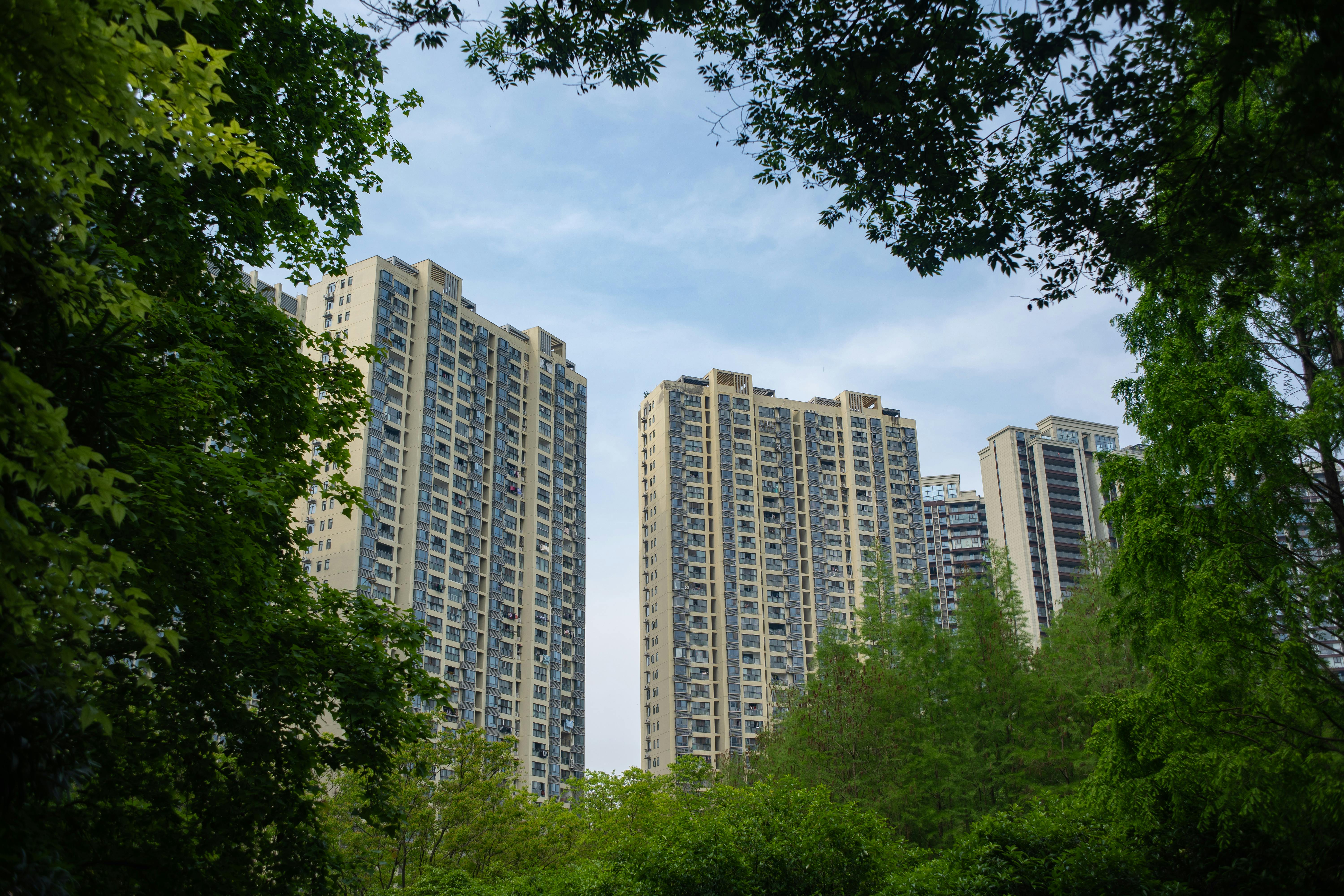
Narrow streets and tall buildings trap solar radiation (the "urban canyon" effect) and reduce air circulation, limiting nighttime cooling.

Anthropogenic heat emissions

Air conditioners, vehicles, industrial activities: cities continuously generate heat, which contributes to the heat balance.


What are the practical implications?

On health

The 2003 heat wave caused nearly 15,000 excess deaths in France, mainly in densely populated urban areas. Extreme heat leads to dehydration, heatstroke, and excess mortality among vulnerable populations.

On comfort and productivity

High nighttime temperatures disrupt sleep and reduce quality of life. When nighttime temperatures exceed 25°C, the effects on health and productivity become significant.

On energy

Air conditioning already accounts for 15 to 20% of global electricity consumption in buildings. A 3°C increase in the indoor temperature can lead to a 5 to 10% rise in air conditioning energy consumption.

On property value

Exposure to climate-related risks is becoming an increasingly significant concern for investors and buyers. The European Taxonomy now requires real estate stakeholders to assess and reduce their assets’ exposure to physical climate-related risks—including urban heat.


The challenge of the measurement: going beyond surface temperature

To effectively combat heat waves, they must first be accurately measured. For a long time, forecasts relied on isolated weather sensors or satellite imagery measuring land surface temperature (LST). While this data is useful, it is incomplete.

Surface temperature does not tell the whole story when it comes to residents' comfort. What matters for health and quality of life is the perceived temperature —the temperature the human body senses by taking into account the combined effects of radiation, wind, and humidity.

This is precisely whatthe UTCI (Universal Thermal Climate Index)—the benchmark indicator for outdoor thermal comfort used by Netcarbon—measures to assess and simulate the impact of development projects.


What are some ways to reduce ICU admissions?

The levers for action are well known, but their actual effectiveness depends on their scale and location:

  • Tree planting: the shade provided by trees and their evapotranspiration are the most effective measures. Simulations show reductions in perceived temperature of up to 15°C in areas with dense vegetation.
  • De-impermeabilization: Replacing asphalt with permeable or grass-covered surfaces reduces heat absorption and promotes stormwater infiltration.
  • Green roofs and green facades: they help with thermal insulation and regulate surface temperatures.
  • Surfaces with high albedo —such as light-colored paint and reflective materials—limit the absorption of solar radiation.
  • Wind corridors: Urban planning can create pathways for fresh air to flow in from natural areas on the outskirts of cities.

Conclusion

Urban heat islands are no longer a marginal phenomenon: they pose a major health, energy, and economic risk, one that is set to worsen with climate change. In addressing this challenge, data and simulation are essential tools for turning intentions into measurable action.


Would you like to map the heat islands in your area or on your property and simulate the impact of your greening projects? Request a Netcarbon demo.

Satellite image of Salale Tanzania

Are you running a carbon storage project?

Contact us

Our blogs

Combating UCCs: How Local Governments Can Measure and Demonstrate Their Impact

Climate Transition: Why Data Is the Real Driving Force Behind the Next Municipal Terms

Removing waterproofing in real estate projects: a regulatory requirement and a competitive advantage

Urban heat islands: Understanding the phenomenon to take more effective action

Heat Islands on Airport and Highway Rights-of-Way: Measure to Take Action

Removing waterproofing from public housing: how social housing providers are making their buildings more eco-friendly

Urban brownfields: an underutilized tool for land and environmental policy

Heat islands: How developers are addressing thermal considerations in their development projects

Reducing Urban Heat Islands in Construction Projects: Requirements and Methods for Developers

The Low Carbon Label and Real Estate Developers: How to Incorporate Carbon Sequestration into Your Development Projects

Schoolyards, Oases, and ZAN: How Unsealing Schoolyards Contributes to the Net Zero Land Take Goal

Oasis Playground: Turning the Schoolyard into an Urban Oasis

Removing Waterproofing from Historic Buildings: ESG Considerations and Methods for Social Housing Landlords and Real Estate Companies

Removing waterproofing in new construction projects: incorporating the CBS from the design phase to meet RE2020 and ZAN requirements

Green parking lots in urban development projects: how to use them as a regulatory and marketing selling point

Greening Parking Lots: What Local Governments Can Require, Fund, and Measure

Shopping Center Parking Lots: How Real Estate Companies Are Turning Their Asphalt Surfaces Into Green Assets

How the popcorn industry pays its farmers based on the carbon sequestered in the soil

PCAET and Carbon Sequestration: A Guide to Understanding and Acting

Acting for the Planet: The Crucial Role of Carbon Storage

Hedges: climate soldiers

Change the World with Soil: 4 for 1000 Initiative Essentials

Beyond Emissions Reduction : The Co-benefits of Carbon Capture