Urban heat islands: Understanding the phenomenon to take more effective action
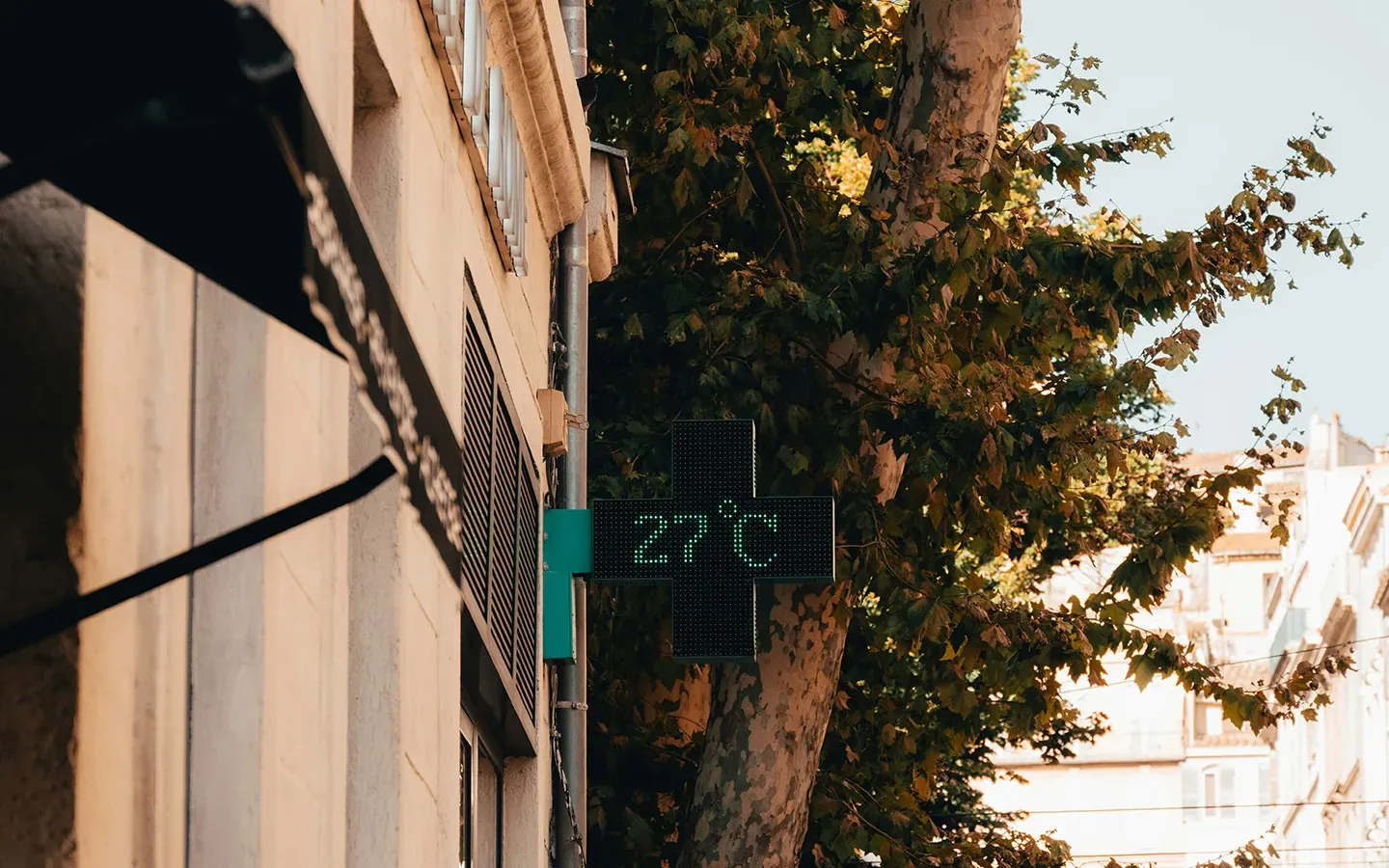
Chaque été, le thermomètre grimpe plus vite en centre-ville qu'en périphérie. Ce n'est pas une impression : c'est le résultat d'un phénomène physique bien documenté, l'îlot de chaleur urbain (ICU). Avec des vagues de chaleur de plus en plus fréquentes et intenses, comprendre ce mécanisme est devenu une priorité pour les collectivités, les promoteurs et les gestionnaires de patrimoine.
Qu'est-ce qu'un îlot de chaleur urbain ?
Un îlot de chaleur urbain désigne la différence de température observée entre une zone urbaine densément bâtie et les espaces ruraux ou périurbains environnants. En France, cet écart dépasse régulièrement 3 à 5°C en moyenne, et peut atteindre 10°C ou plus lors des nuits caniculaires.
The phenomenon is not new—it was first described as early as the 19th century—but its severity has increased significantly due to urbanization and climate change.
There are two types of ICU:
- Surface ICU: related to the temperature of materials (asphalt, concrete, roofs). A black asphalt surface can exceed 60°C in direct sunlight, which is 20°C higher than the ambient air temperature.
- Atmospheric ICU: reflects the rise in air temperature over urban areas, which is particularly noticeable at night when materials release the heat they have stored during the day.
Why do cities get hotter?
Several physical mechanisms interact to create and amplify ICU:
Soil waterproofing
Asphalt and concrete absorb a large amount of solar radiation (low albedo) and release it as heat. In contrast, moist natural soil regulates temperature through evapotranspiration.
The absence of vegetation
Trees and plants play a crucial role as natural air conditioners. Through evapotranspiration, a mature tree can evaporate up to 400 liters of water per day, cooling its immediate surroundings by several degrees.
Urban Geometry
Narrow streets and tall buildings trap solar radiation (the "urban canyon" effect) and reduce air circulation, limiting nighttime cooling.
Anthropogenic heat emissions
Air conditioners, vehicles, industrial activities: cities continuously generate heat, which contributes to the heat balance.
What are the practical implications?
On health
The 2003 heat wave caused nearly 15,000 excess deaths in France, mainly in densely populated urban areas. Extreme heat leads to dehydration, heatstroke, and excess mortality among vulnerable populations.
On comfort and productivity
High nighttime temperatures disrupt sleep and reduce quality of life. When nighttime temperatures exceed 25°C, the effects on health and productivity become significant.
On energy
Air conditioning already accounts for 15 to 20% of global electricity consumption in buildings. A 3°C increase in the indoor temperature can lead to a 5 to 10% rise in air conditioning energy consumption.
On property value
Exposure to climate-related risks is becoming an increasingly significant concern for investors and buyers. The European Taxonomy now requires real estate stakeholders to assess and reduce their assets’ exposure to physical climate-related risks—including urban heat.
L'enjeu de la mesure : dépasser la température de surface
Pour lutter efficacement contre les ICU, il faut d'abord les mesurer avec précision. Longtemps, les diagnostics s'appuyaient sur des capteurs météo ponctuels ou des images satellites mesurant la température de surface (LST). Ces données sont utiles mais incomplètes.
La température de surface ne dit pas tout du confort ressenti par les habitants. Ce qui compte pour la santé et la qualité de vie, c'est la température ressentie — celle que perçoit le corps humain en intégrant l'effet combiné du rayonnement, du vent et de l'humidité.
C'est précisément ce que mesure l'UTCI (Universal Thermal Climate Index), l'indicateur de référence du confort thermique extérieur utilisé par Netcarbon pour diagnostiquer et simuler l'impact des projets d'aménagement.
What are some ways to reduce ICU admissions?
The levers for action are well known, but their actual effectiveness depends on their scale and location:
- La plantation d'arbres : l'ombre portée et l'évapotranspiration des arbres sont les leviers les plus efficaces. Des simulations montrent des réductions de température ressentie allant jusqu'à -15°C sur des zones bien végétalisées.
- La désimperméabilisation : remplacer l'asphalte par des sols perméables ou enherbés réduit l'absorption de chaleur et favorise l'infiltration des eaux pluviales.
- Green roofs and green facades: they help with thermal insulation and regulate surface temperatures.
- Surfaces with high albedo —such as light-colored paint and reflective materials—limit the absorption of solar radiation.
- Wind corridors: Urban planning can create pathways for fresh air to flow in from natural areas on the outskirts of cities.
Conclusion
Urban heat islands are no longer a marginal phenomenon: they pose a major health, energy, and economic risk, one that is set to worsen with climate change. In addressing this challenge, data and simulation are essential tools for turning intentions into measurable action.