Green parking lots in urban development projects: how to use them as a regulatory and marketing selling point
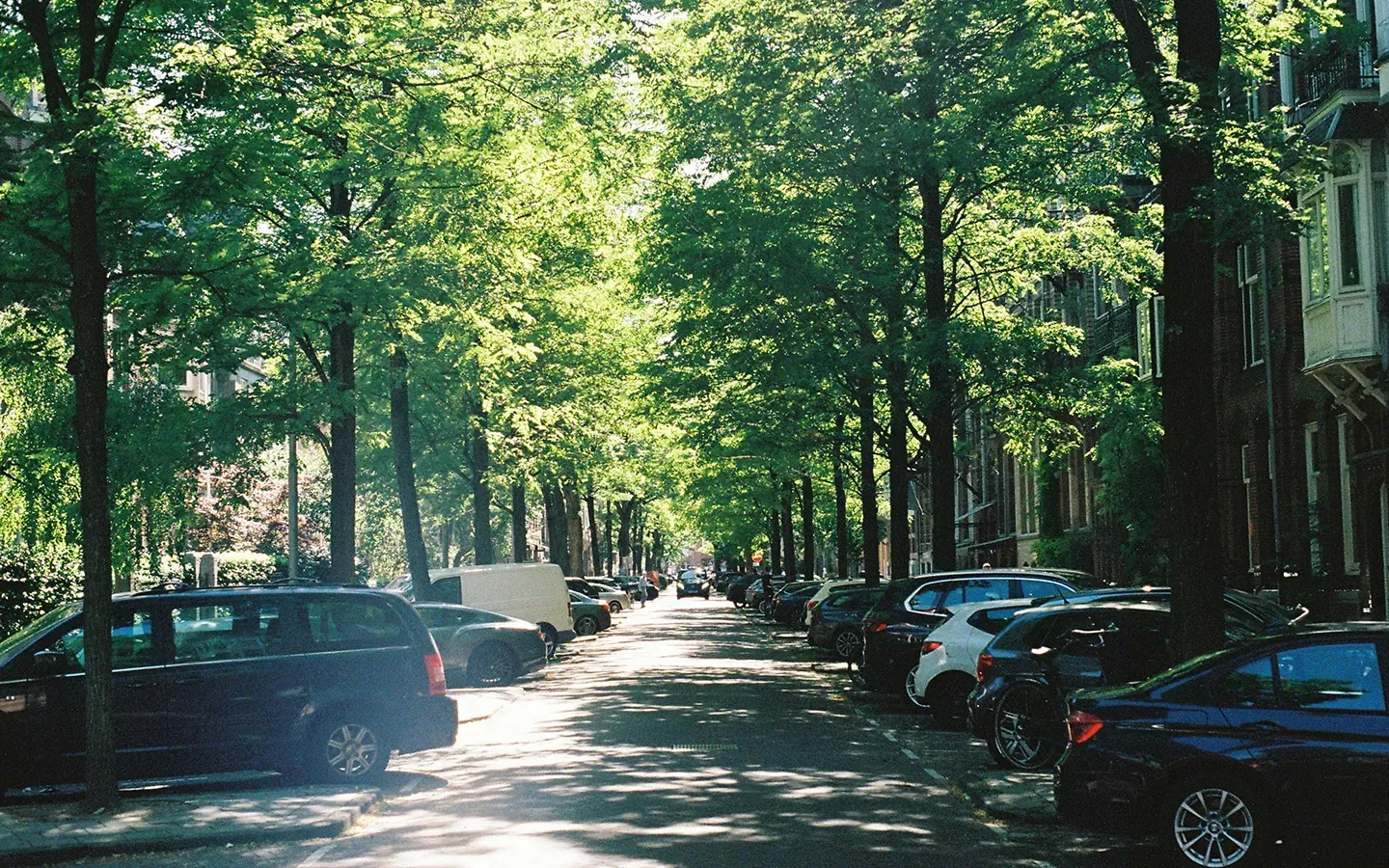
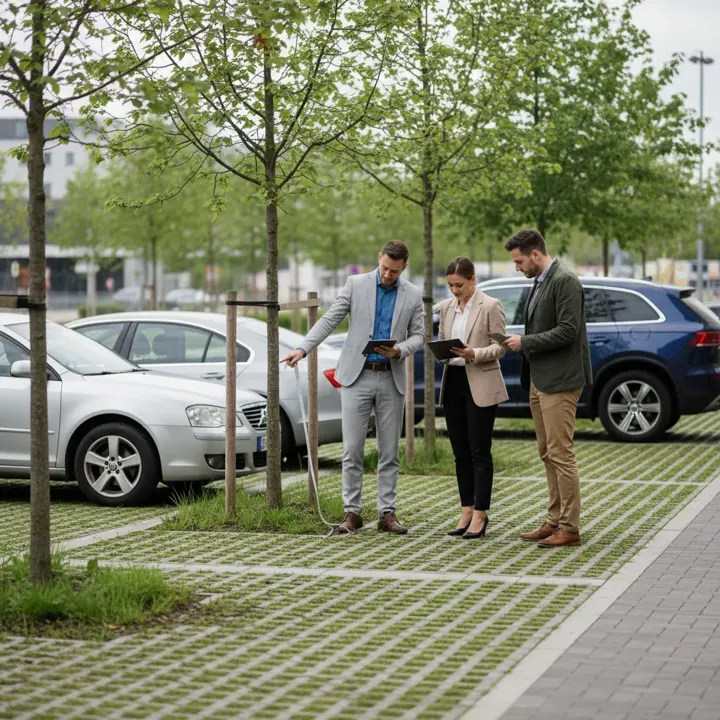
In a call for bids or a building permit application, the environmental component has become a selection criterion in its own right. The greening of parking lots—long treated as a mere landscaping detail—is now a technical factor that influences award decisions and determines a project’s regulatory compliance. For developers and planners, mastering this subject provides a solid competitive advantage.
Green parking lots at the heart of new regulations
The ZAN Law and the Land Cover Coefficient
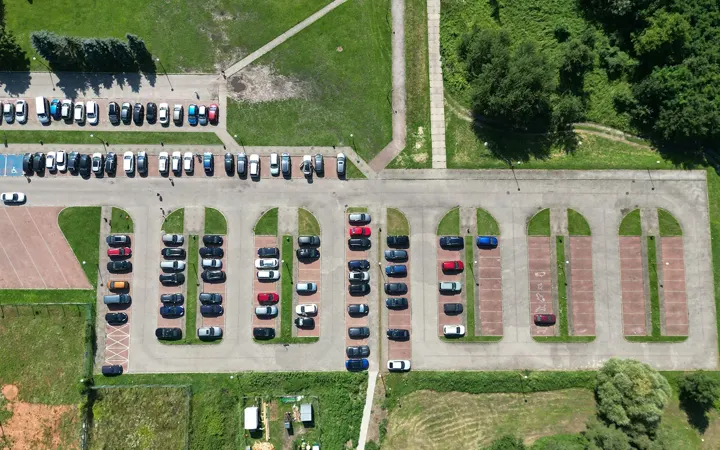
The Climate and Resilience Act (2021) requires every project to minimize net land-sealing. A fully paved parking lot is considered 100% land-sealed. A green parking lot featuring permeable paving, trees, and swales can significantly reduce its land-sealing coefficient, thereby improving the overall project’s compliance with the ZAN requirement.
RE2020 and the Environmental Performance of Operations
RE2020 introduces a life cycle assessment (LCA) for construction projects. Outdoor facilities, including parking lots, contribute to the project’s carbon footprint. A green parking lot improves the project’s overall carbon score.
The European Taxonomy
For projects financed by funds subject to the Green Taxonomy, the project developer must demonstrate that the project contributes to climate change mitigation. A parking lot that generates high ICU levels may be identified as an unaddressed physical risk—a negative factor in a taxonomy-based financing application.
The benefits of a green parking lot in a bid proposal
Green parking offers several quantifiable benefits:
- Réduction de la température de surface : directement lié à l'ICU, c'est un critère de qualité de vie urbaine apprécié des jurys
- Stock de carbone additionnel : valorisable dans le cadre du Label Bas Carbone Ville Arborée (1 tCO2 = 1 crédit carbone revendable)
- Biotope coefficient: green parking lots contribute to the overall project's biotope coefficient
- Unsealed surface area: a direct ZAN metric, quantifiable in hectares
For these arguments to be accepted in a bid response, they must be quantified, supported by sources, and projected over time. A simulation conducted before the bid is submitted—one that projects the project’s environmental impact over a 25-year period—is far more convincing than a simple landscape plan.
How to simulate the impact of a green parking lot before submitting a permit application
- Diagnostic de l'état initial : analyse de la composition du sol, des températures de surface, de la couverture végétale actuelle et des stocks de carbone
- Definition of scenarios: various greening scenarios (number of trees, type of paving, swale areas)
- Comparative simulation: Each scenario is projected over 25 years in terms of temperature reduction (°C), CO₂ sequestered (tCO₂), CBS achieved, and area of unsealed land
- Optimization: Identifying the optimal balance between development costs and environmental impact
- Integration into the application: the data can be directly integrated into the application's technical database
A numerical example: the benefits of 100 trees in a parking lot
La simulation réalisée par Netcarbon sur un parking aéroportuaire à Lyon montre que la plantation de 100 arbres associée à 2 500 m² de revêtement alvéolaire produit, à l'horizon 25 ans :
- -1,76°C de température de surface
- +17 tCO2 stored
- CBSh +0,2 (amélioration du coefficient de biotope)
- +1,785 m² of green space
Generating carbon credits from a green parking lot
La végétalisation d'un parking peut, sous certaines conditions, générer des crédits carbone certifiés via le Label Bas Carbone Ville Arborée. Ce label certifie les projets de plantation d'arbres en milieu urbain qui réduisent d'au moins 25 tonnes les émissions de CO2 sur 25 ans.
In practical terms, every ton of CO2 avoided or sequestered generates a tradable carbon credit:
- Inclusion in the operator's carbon footprint
- Resale on the voluntary carbon market
- A key differentiator in ESG financing applications
Conclusion
For a developer or urban planner, a green parking lot is no longer just an additional landscaping cost: it is an environmental investment with a demonstrable return. In a context where regulatory pressure (ZAN, RE2020, Taxonomy) and competition in bidding processes reward players who can demonstrate their impact, having costed simulations for greening projects is a concrete strategic advantage.