Urban brownfields: an underutilized tool for land and environmental policy
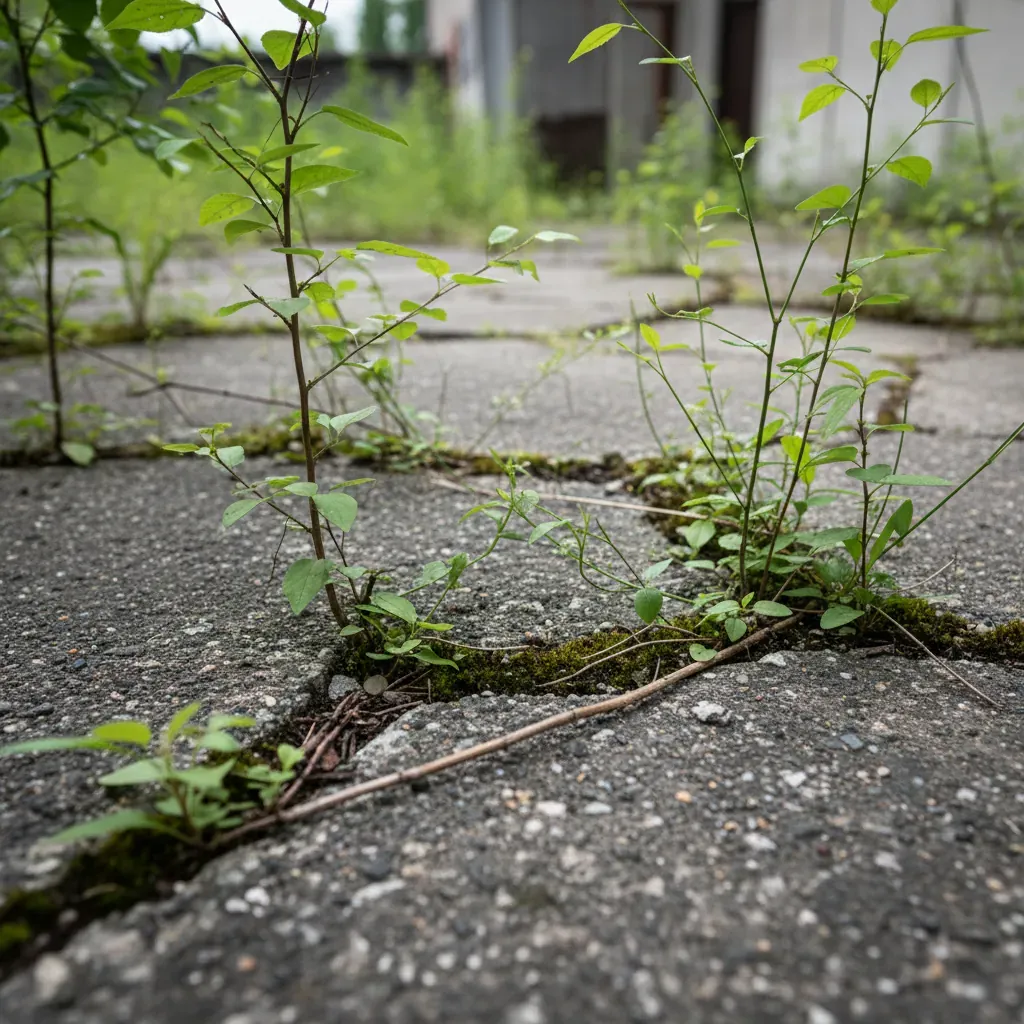
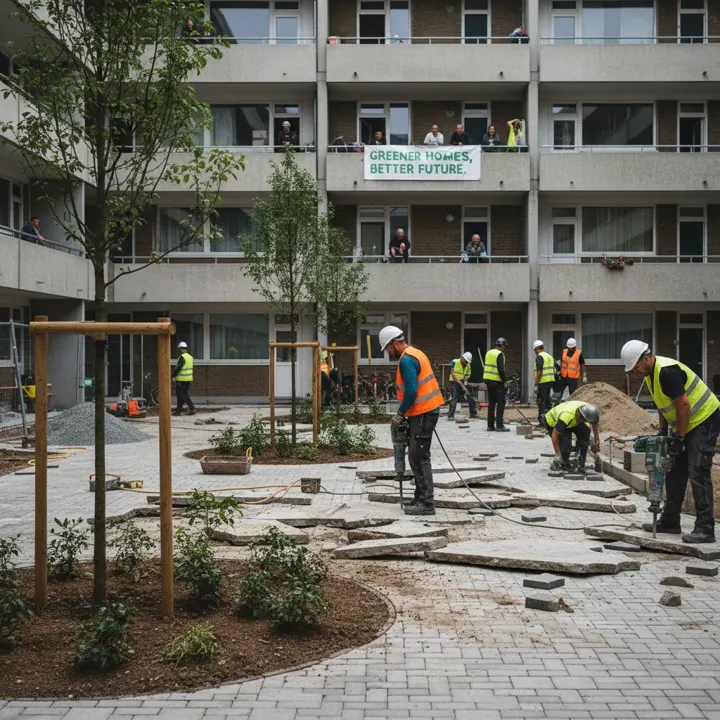
Against a backdrop of growing land scarcity and regulatory constraints related to the Zero Land Take (ZAN) policy, urban and industrial brownfields are undergoing a transformation. Long regarded as worthless wastelands, they are now recognized as a major strategic asset for local communities. They can accommodate new uses—housing, economic activities, and public spaces—while avoiding the consumption of natural or agricultural land.
But for the redevelopment of brownfields to become a genuine driver of environmental progress—and not just a real estate opportunity—we need to be able to assess its ecological potential.
Brownfields: A Land Resource at the Heart of the ZAN Strategy
The regulatory environment
The Climate and Resilience Act identifies the redevelopment of brownfields as one of the explicit drivers of the ZAN pathway. Building on a brownfield site means avoiding the use of natural space. Better yet, restoring a brownfield site results in net de-separation, creating a positive balance in a region’s land-use balance sheet.
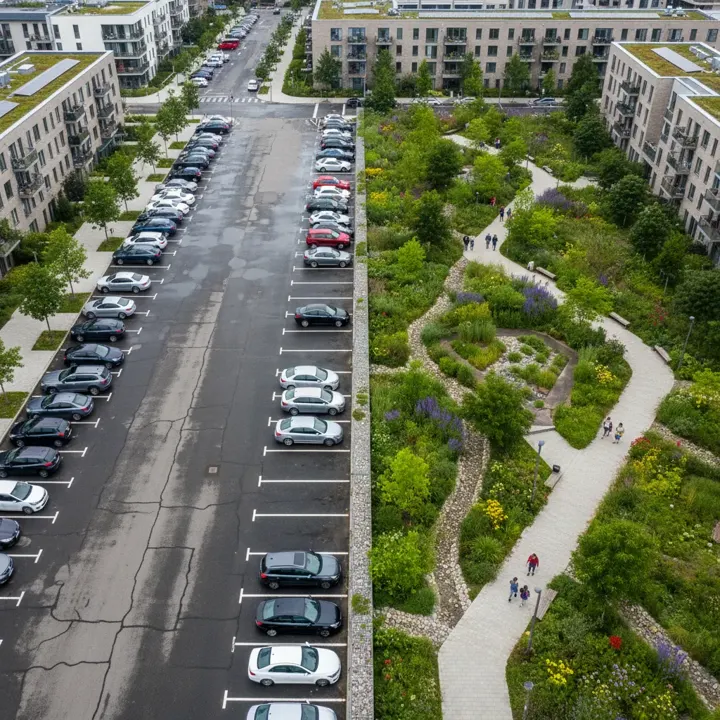
Les appels à projets de l'État (Fonds Friches, programmes ANRU) témoignent de cette priorité. Mais tous les projets de requalification ne se valent pas sur le plan environnemental. Un projet qui imperméabilise à nouveau une friche pour y construire un parking n'a pas le même impact qu'un projet qui intègre de la pleine terre, des arbres et des corridors écologiques.
Environmental potential that needs to be quantified
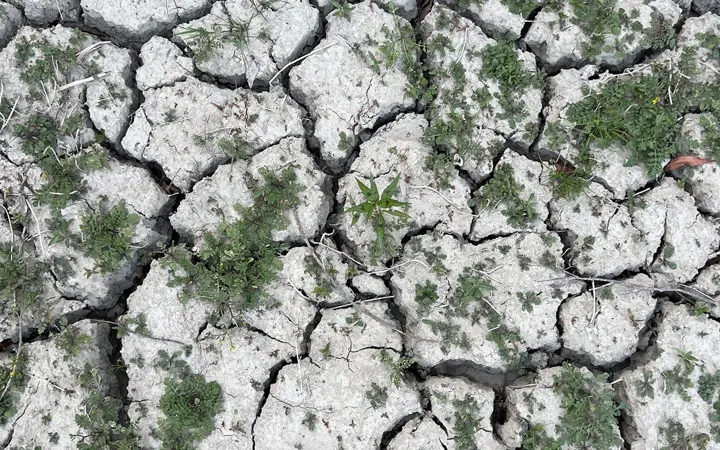
A vacant lot is not a dead space. Depending on its history and current condition, it may already be home to natural vegetation that stores carbon, supports biodiversity, and helps regulate the neighborhood’s temperature. Before transforming it, it is essential to assess what already exists so as not to destroy environmental value in the belief that we are creating it.
Le diagnostic initial d'une friche doit couvrir quatre dimensions : l'occupation des sols (quelle part est imperméabilisée, en pleine terre, végétalisée ?), les stocks de carbone présents dans la végétation et les sols, l'exposition aux îlots de chaleur, et la qualité écologique du site (biodiversité, connectivité).
From Brownfield to Project: How to Maximize Environmental Value
Simulate to optimize
Une fois le diagnostic posé, la simulation de scénarios d'aménagement permet de tester différentes options et d'identifier celle qui maximise l'impact environnemental. Faut-il préserver la végétation existante ou replanter ? Quelle part de pleine terre garantir ? Quel choix de palette végétale pour optimiser la séquestration carbone et la réduction des températures ?
For the Belleroche ZAC project in Villefranche-sur-Saône (20.8 ha), an analysis of the baseline conditions and project modeling made it possible to objectively assess the effects of urban renewal and inform planning decisions. The measured results show an impact of +0.1°C and -190.4 tCO2—data that help us understand the trade-offs inherent in any renewal project and adjust the design accordingly.
The case of brownfield sites with high potential: Antibes, Les Combes
Le projet des Combes à Antibes (2,6 ha) illustre une approche intégrée de la requalification. L'accompagnement a couvert le diagnostic initial, la simulation de l'impact, l'optimisation de la palette végétale en collaboration avec le paysagiste, et l'obtention du Label Bas Carbone Ville Arborée. Les résultats obtenus — -5,5°C de température ressentie et +52,3 tCO2 de séquestration — démontrent qu'un projet de requalification bien conçu peut générer une valeur environnementale mesurable et valorisable.
Du diagnostic à la certification : le Label Bas Carbone comme accélérateur
Le Label Bas Carbone Ville Arborée offre un cadre de certification particulièrement adapté aux projets de requalification de friches. Pour être éligible, un projet doit générer au moins 25 tonnes de réductions d'émissions, porter sur une commune de plus de 2 000 habitants, et s'engager sur un suivi de 25 ans. Chaque tonne de CO2 séquestrée génère un crédit carbone valorisable sur le marché volontaire.
Pour les collectivités et les aménageurs, cette certification transforme un projet d'aménagement en actif carbone. Elle apporte une reconnaissance institutionnelle, facilite l'accès aux financements, et fournit un argument différenciant dans les appels d'offres.
Ce que Netcarbon apporte aux projets de requalification
Netcarbon accompagne les acteurs de la requalification des friches de bout en bout : diagnostic environnemental de l'état initial, simulation multi-scénarios pour optimiser la conception, suivi dans le temps des indicateurs, et accompagnement vers la certification Label Bas Carbone Ville Arborée.
The platform makes it possible to turn a land-use constraint into a measurable environmental opportunity. Because redeveloping brownfield sites isn’t just about building on existing structures. It’s an opportunity to restore the land’s ecological functions—provided we know how to measure them.
Vacant lots aren’t problems. They’re solutions—provided we have the data to prove it.