depaving In real estate projects: a regulatory requirement and a competitive advantage
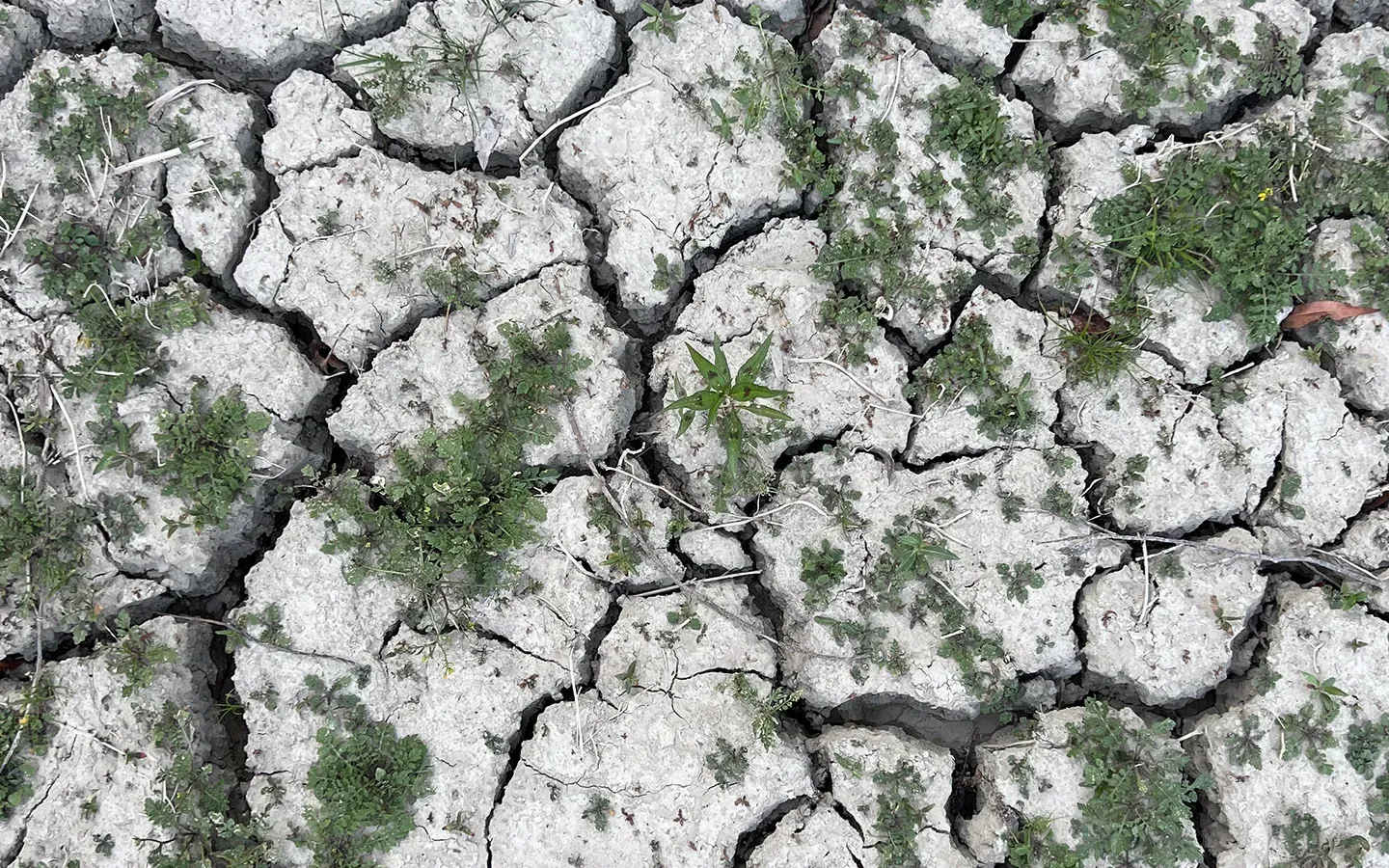
In responses to calls for proposals for urban development zones (ZACs) and mixed-use neighborhoods, one question is coming up more and more often: “What is the project’s depaving rate?” Five years ago, this phrasing was rare. Today, it appears in many urban planning competitions.
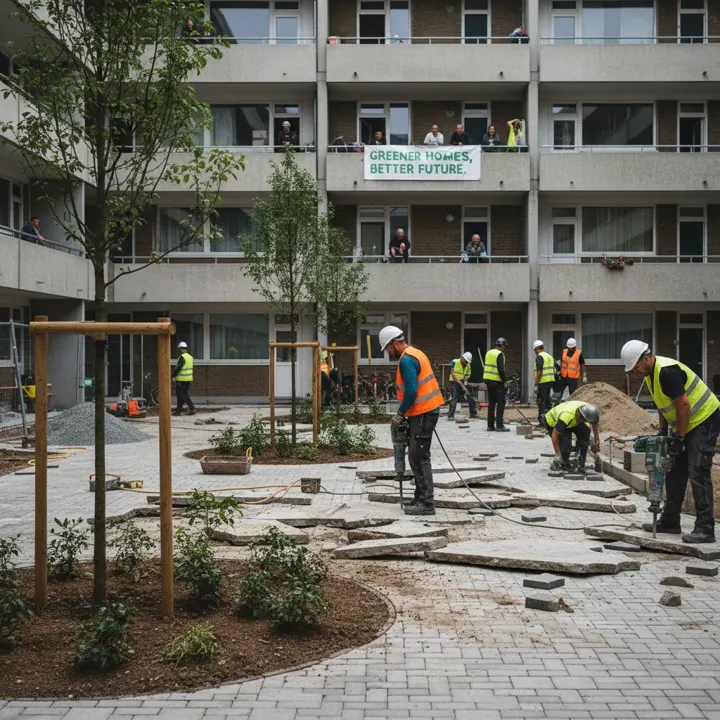
For developers and planners, the “ depaving ” is no longer an optional green feature—it is a design consideration that influences permitting, financing, and the competitiveness of the proposal.
What the regulations now require
The ZAN Act and its local variations
The Climate and Resilience Act of August 22, 2021, supplemented by the Act of July 20, 2023, sets two national objectives:
- Halve the rate ofland take between 2021 and 2031
- Achieving the " Zero Net Land Take " by 2050
In practice, more and more municipalities are including in their “ local urban plan (PLU) ” regulations a minimum biotope coefficient, a minimum area of open ground, and requirements regarding the permeability of parking lots and private roads.
The European Taxonomy
Pour les projets cherchant à se qualifier comme "investissements durables", la contribution à l'objectif d'adaptation au changement climatique suppose de ne pas augmenter les risques de ruissellement et d'inondation — ce qui passe par la limitation de l'imperméabilisation.
RE2020 and Summer Comfort
Indirectement, la RE2020 pousse à réduire l'imperméabilisation : les surfaces minérales chaudes dégradent le confort thermique extérieur et contribuent à l'inconfort d'été dans les logements, mesuré par l'indicateur Dh.
Incorporate " depaving " from the design phase onward
A site plan issue
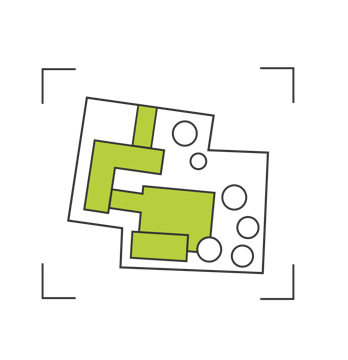
depaving s are primarily addressed during the master planning phase: What percentage of roadways will have permeable pavement? What is the green space open ground rate? How should stormwater collection be organized at the parcel level?
These decisions have a direct impact on building density, the number of parking spaces, and the cost of road and utility infrastructure. They must therefore be taken into account from the very beginning.
Measuring the biotope coefficient
The CBS (Biotope Area Factor ) weights each type of surface area based on its ecological value: open ground (coefficient 1), permeable surface (0.5), extensive green roof (0.3), etc. A high CBS score in a bid response sends a strong signal to the contracting authority.
depaving s as a Source of Value
Less asphalt, more green value
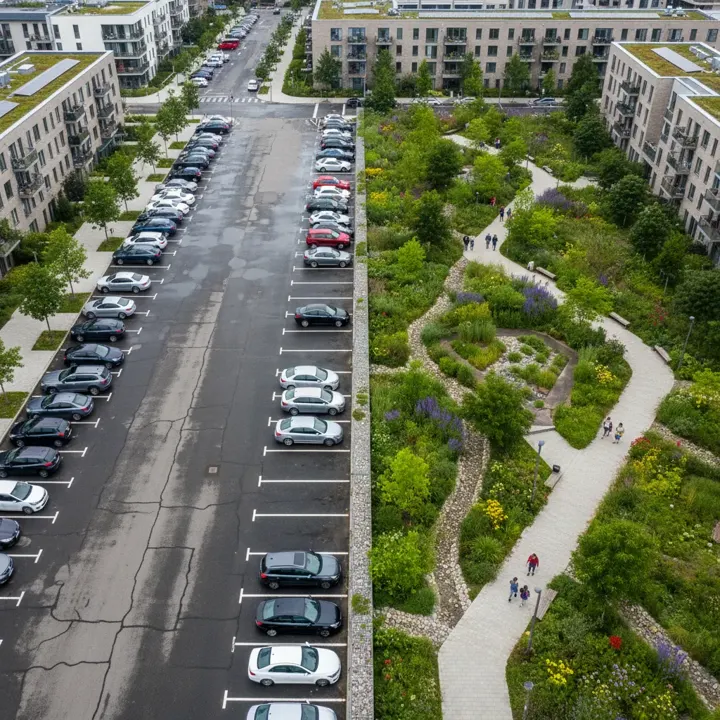
Studies by ADEME and Cerema document the effect of vegetation and soil permeability on property values. A project that incorporates “ open ground,” landscaped swales, and green courtyards creates a value differential that buyers perceive.
Carbon credits to finance greening initiatives
Unsealed and revegetated areas may be eligible for the Label Bas Carbone (French low-carbon label) Ville Arborée. This is a source of additional revenue that reduces the net cost of revegetation.
How can we quantify the impact of a " depaving " project?
Netcarbon allows you to simulate, based on the site plan, the following indicators over a 25-year period:
- Unsealed area (in hectares)
- surface temperature 's reduction (in °C)
- Additional carbon sequestration (in tCO2)
- Changes in the biotope coefficient (CBSh)
These results can be directly integrated into the RAO technical database, the development permit application, and the appendices of the Taxonomy report.
Conclusion
depaving is one of the few tools that simultaneously addresses regulatory compliance (ZAN, local urban plan (PLU)), climate resilience (heat, flooding), and the project’s commercial value. Developers who incorporate it as a design criterion gain a competitive edge over their rivals and stay ahead of future regulatory requirements.