Label Bas Carbone (French low-carbon label) and real estate developers: how to incorporate carbon sequestration into your development projects
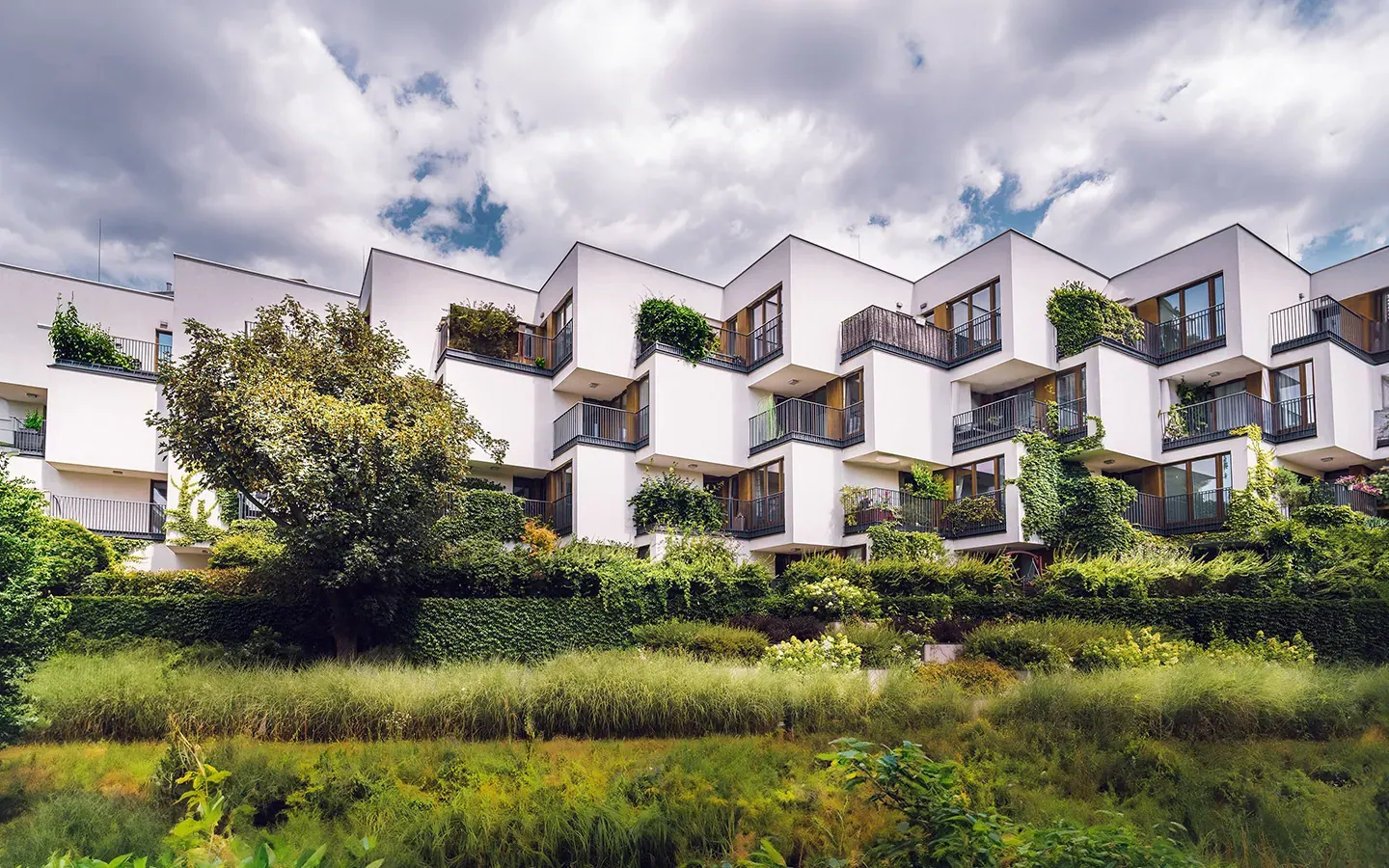
Green pressure on real estate developers
Entre la RE2020, le ZAN, les exigences croissantes des acheteurs et la montée des critères ESG dans le financement bancaire, les promoteurs et aménageurs français font face à une pression verte sans précédent. Dans ce contexte, le Label Bas Carbone émerge comme un outil de différenciation et de financement innovant.
Contrairement à ce que son image agricole pourrait laisser croire, le LBC s'applique également aux projets d'aménagement urbain qui intègrent des composantes de renaturation, de végétalisation et de désimperméabilisation.
Why is the LBC of interest to developers?
Promoting the green component
A real estate development that incorporates green spaces, a well-established tree canopy, and permeable surfaces may, under certain conditions, generate LBC carbon credits. These credits provide the developer with additional revenue, separate from sales proceeds.
Access to the voluntary offsetting market
Many French and European companies are actively seeking locally sourced, certified, and verifiable carbon credits for their carbon neutrality strategies. A developer offering LBC projects can form direct partnerships with these credit buyers.
Competitive differentiation
A program bearing an official label from the Ministry of Ecological Transition benefits from marketing that sets it apart in the eyes of end buyers, who are increasingly concerned about environmental issues.
What types of projects are eligible?
Large-scale development projects
ZACs (Concerted Development Zones), eco-neighborhoods, and urban renewal projects that include significant green spaces (0.5 hectares or more) are the most suitable candidates for the LBC.
Brownfield redevelopment projects
Projects to redevelop industrial or commercial brownfields—which transform paved surfaces into partially green spaces—generate carbon sequestration benefits calculated based on the bare ground or brownfield as the baseline.
Housing developments with a high ratio of greenery
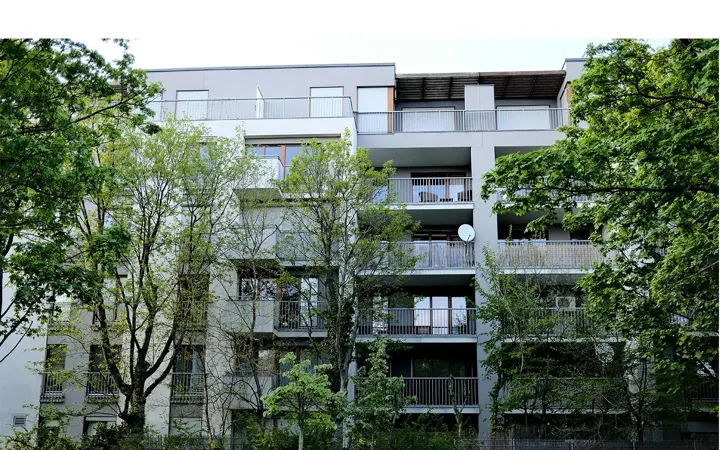
Housing developments that meet the RE2020 requirements for green spaces and biodiversity may qualify for the LBC if their green areas and tree cover are sufficiently extensive.
Technical requirements: measurement comes first
To initiate an LBC process, the developer must have accurate data on:
- L'état initial du foncier : occupation des sols, taux d'imperméabilisation, stocks de carbone existants
- The landscaping project: green spaces, tree species planted, types of soil created
- Projected final status: expected carbon stocks, permeable surfaces created
This data must be generated using a methodology that is acceptable to the auditor, which excludes mere visual estimates.
Aerial image analysis as a reference tool
Analysis of high-resolution aerial images makes it possible to:
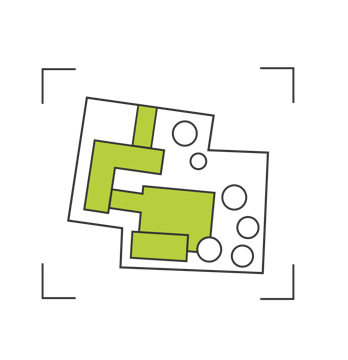
- Cartographier précisément l'occupation des sols avant travaux
- Quantify existing carbon stocks (soil, vegetation)
- Simulate expected gains under different development scenarios
- Track progress after delivery for LBC inspection reports
Pitfalls to Avoid
Pitfall 1: Acting too early or too late
The LBC must be incorporated from the project’s design phase, not after completion. Landscape design decisions (choice of plant species, green areas) must be guided by the label’s methodological requirements.
Pitfall 2: Underestimating certification costs
An audit conducted by an independent body involves significant costs. For smaller-scale projects, certification costs can equal or exceed the revenue generated by carbon credits. The LBC is applicable for projects exceeding a certain area (generally 1 to 2 hectares of actual vegetation).
Pitfall 3: Confusing LBC with regulatory carbon footprint
Le Label Bas Carbone ne remplace pas le bilan carbone réglementaire requis pour certaines opérations. Ce sont deux démarches distinctes, complémentaires, mais qui ne se substituent pas l'une à l'autre.
LBC and RE2020: Two Complementary Tools
RE2020 sets requirements for embodied carbon (emissions associated with construction) and energy performance (operational carbon). LBC, on the other hand, emphasizes carbon sequestration and the reduction of emissions associated with green spaces.
The two initiatives complement each other: a developer who optimizes their RE2020 performance AND generates LBC credits has a comprehensive and distinctive environmental case.
Conclusion: The LBC, a financing tool that should be incorporated from the planning stage onward
Le Label Bas Carbone n'est pas une fin en soi pour les promoteurs et aménageurs : c'est un outil de financement additionnel et de différenciation qui récompense les projets ambitieux en matière de renaturation. Pour en tirer pleinement parti, il doit être intégré dès la programmation, avec les données et les méthodes adéquates.